By iadmin ·
Dealing with a drain that keeps clogging can be very frustrating. You may have cleared it up, but the problem soon returns, and you have to repeat the process. If you find yourself facing these issues, your problem may be more serious than just a surface clog. Hidden problems such as cracks, tree roots, misaligned joints, collapsed sections, or buildup in the sewer line can go unnoticed unless you have it inspected. This guide will help you recognize the signs of potential sewer line problems, understand what a sewer camera inspection can find, and determine when it may be time to call a plumbing technician.
What Is a Sewer Camera Inspection?
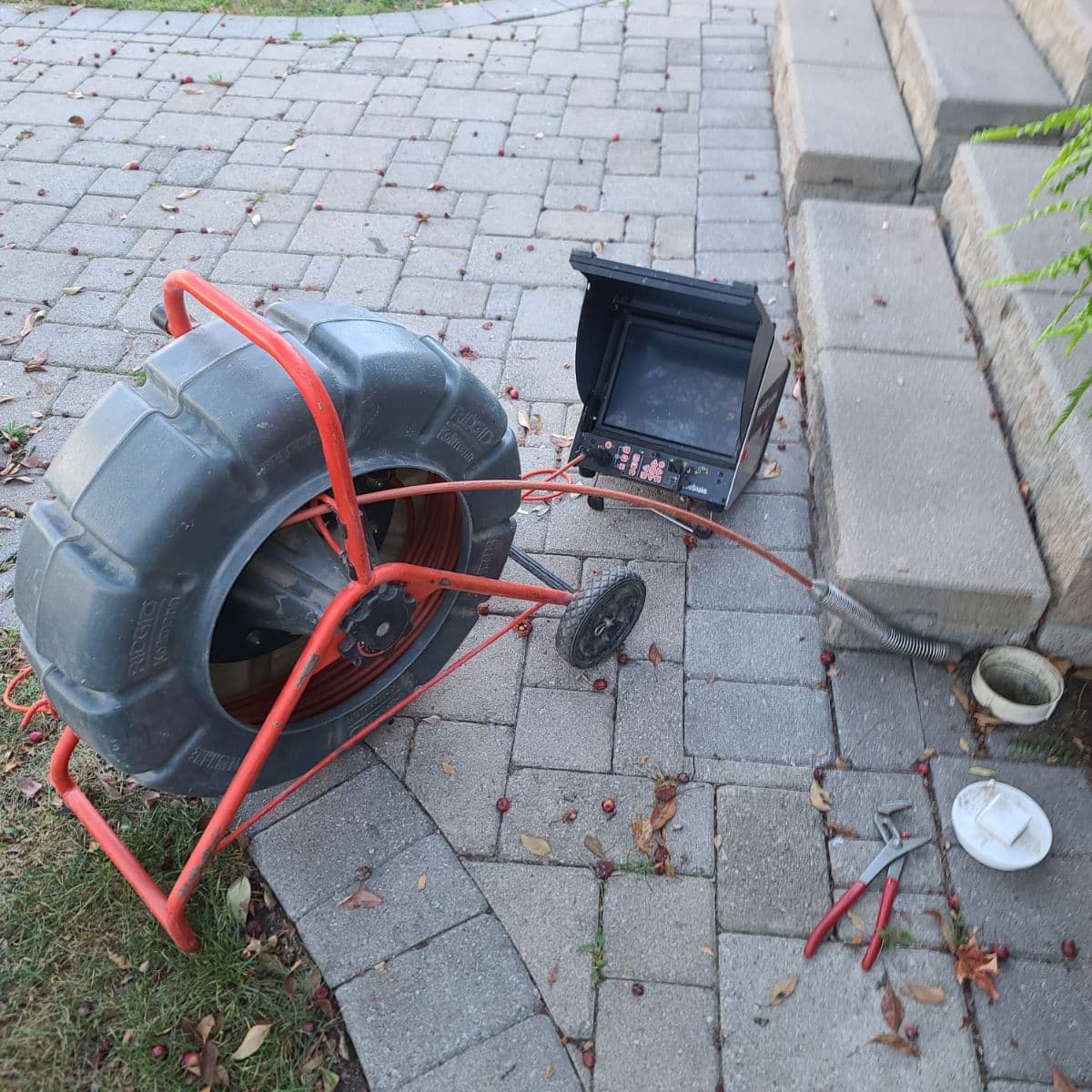
A sewer camera inspection is a process in which a plumber uses a small, waterproof camera attached to a flexible cable to inspect your sewage pipes. The camera is inserted through a cleanout or drain access point so they can view the inside of the pipe on a live monitor.
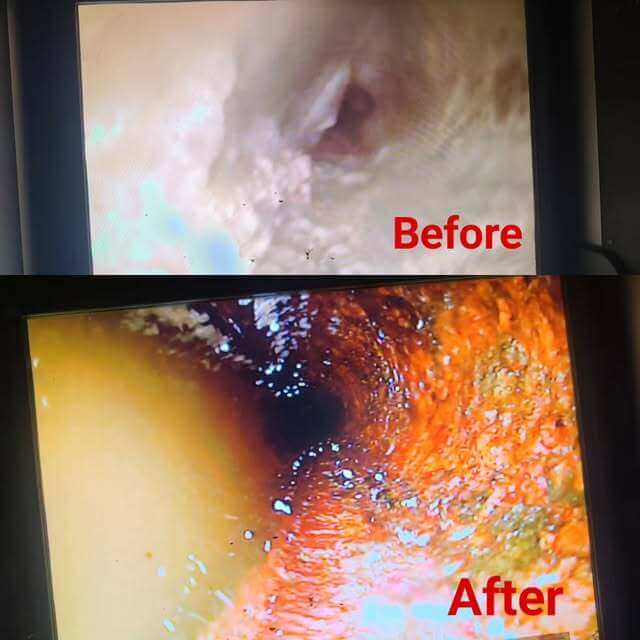
As the camera moves through the line, the technician looks for problems such as blockages, cracks, root intrusion, corrosion, offset joints, and damaged pipe sections. Locating equipment may also help identify the approximate depth and location of a problem underground.
Some drain camera inspection services may include recorded findings, photos, marked locations, or a written summary. However, standing water, heavy contamination, or a fully blocked line may need to be cleared before the plumber can inspect properly.
7 Signs You May Need a Sewer Camera Inspection
One slow sink, tub, or shower may point to a local fixture clog. However, if several drains in your home are moving slowly, this can point to a larger issue with the main drain or sewer line, and sewer line inspection can help locate the restriction.
If the same drain keeps clogging after being snaked or cleaned, the blockage may not be fully removed. A drain snake can clear certain obstructions, but a sewer scope inspection can help reveal grease buildup, roots, or pipe damage.
Toilets gurgle when air is pushed or pulled through the plumbing system. This may happen when wastewater cannot move freely through the line. If the sewer line is restricted, draining water from one fixture can affect another.
You should not ignore sewage odours that last even after cleaning. This could indicate problems such as having a dry trap, cracked pipes, venting issues, drain buildup, or sewer blockages. Camera inspection can help identify possible hidden damage or waste buildup.
Water backing up into a basement floor drain is a serious warning sign that could indicate a blockage in the main drain, a sewer backup, or another serious issue. If wastewater backflows into your basement, avoid using any fixtures until a professional has investigated the problem.
Wet patches, soft soil, and sunken spots in your yard can result from several factors. While a damaged underground sewer line is a possible cause, it’s important not to assume that every wet area indicates a sewer issue. If you notice wetness near the sewer line, an inspection can be helpful.
Older underground piping and mature trees can cause issues with sewer lines over time. Tree roots may infiltrate small openings, while aging pipe materials can crack, corrode, shift, or collapse. Sewer problems for older neighbourhoods within Toronto are often related to age, soil movement, tree roots, and outdated pipe materials.
Should Older Toronto Homes Receive Periodic Inspections?
Older homes in Toronto may have underground drainage systems made of clay, cast iron, or other aging materials. Many of these homes are located near mature trees, and the plumbing may have been altered during previous renovations. If there is no clear maintenance history available, or if the home has experienced sewer backups or recurring drain issues, a sewer line inspection can be helpful.
That does not mean every older home needs camera inspections on a set schedule. The need depends on the home’s history, symptoms, pipe material, previous repairs, and current drain performance.
What Happens During the Inspection?
The technician begins by identifying the most suitable access point, such as a cleanout, floor drain, or appropriate drain opening. If the line is severely blocked, it may need to be cleared so the camera can pass through and collect useful information.
The technician then advances the camera through the pipe while monitoring the live video feed. They examine the pipe walls, joints, slope, buildup, root growth, cracks, and any damaged areas. If a significant defect is detected, locating equipment can be used to mark the area and estimate its depth.
Once the inspection is complete, make sure to ask about how the information will be provided to you. This could include video footage, photographs, marked locations, or a written summary. Having this information can be helpful if sewer line repairs are needed.
What Can and Cannot Be Diagnosed?
A sewer camera inspection can often identify root intrusion, cracks, offset joints, corrosion, grease or scale buildup, foreign objects, partial collapse, and damaged pipe sections.
Sewer camera inspections are a valuable tool, but it’s important to remember their limitations. Sewer cameras may not reach certain sections of the pipe, detect small hidden leaks, or identify issues behind walls. If the lines are fully submerged, contaminated, or blocked, they may require cleaning or further testing before an inspection can be performed.
Camera Inspection Versus Snaking and Hydro Jetting
| Service | What It Does | When It May Be Used |
| Sewer camera inspection | Diagnoses pipe condition | Recurring clogs, sewer odours, backups, suspected damage, or pre-repair assessment |
| Drain snake | Breaks through certain obstructions | Local clogs, soft blockages, and basic drain clearing |
| Hydro jetting | Uses high-pressure water to clean suitable pipes | Grease, sludge, scale, roots, and buildup when pipe condition allows it |
A camera inspection is used to see what is happening. Snaking and hydro jetting are used to clear or clean certain blockages. The right method depends on the cause and condition of the pipe.
Sewer Camera Inspection FAQs
Inspections can typically be completed during a service visit, depending on access and pipe condition.
Yes, a sewer camera can often identify visible root intrusion and show where roots are entering the system.
A sewer scope inspection can be helpful before buying an older home, especially if there are mature trees or a history of drainage issues.
Not always. Sewer camera inspection and drain cleaning are separate services, although cleaning may be needed first.
Not always. A fully blocked or submerged line may need to be cleared before inspection.
Sewer camera cost can depend on access, pipe condition, blockage severity, inspection length, and whether cleaning or locating is needed.
Book a Sewer Camera Inspection With AquaRescue
Recurring clogs, sewer odours, slow drains, or basement drain backups should not be treated with guesswork. AquaRescue can inspect the sewer line, show you what is causing the problem, and recommend the most appropriate next step.
If you need a sewer camera inspection, drain camera inspection, or sewer line inspection in Toronto or the GTA, contact AquaRescue to book a service visit.