By Kate ·
It’s a fact of life that as something ages, such as the sewer line leaving your home, it invariably begins to break down and lag. Malfunctioning sewer lines can cause gurgling sounds from toilets, noxious smells from the yard, and the slow draining of water especially in the basement.
There are two main methods to repair sewer lines:
Let’s explore how trenchless sewer line repair works and learn when this method works better than traditional excavation methods.
What Is Trenchless Sewer Line Repair
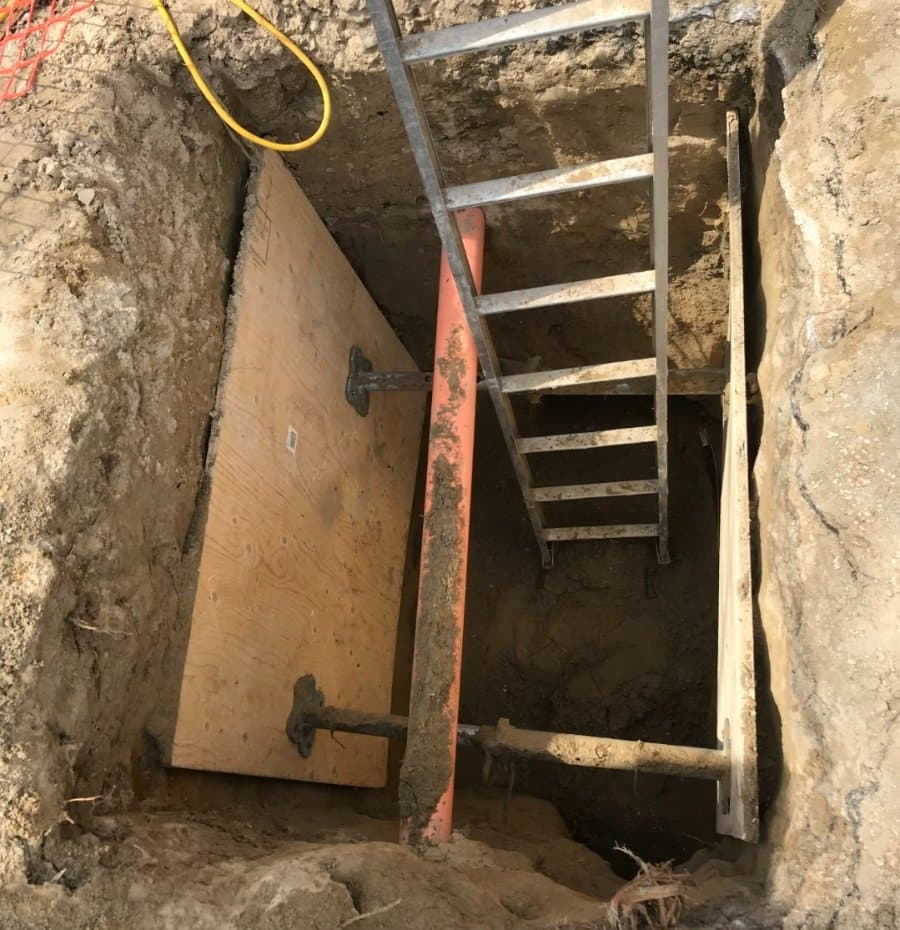
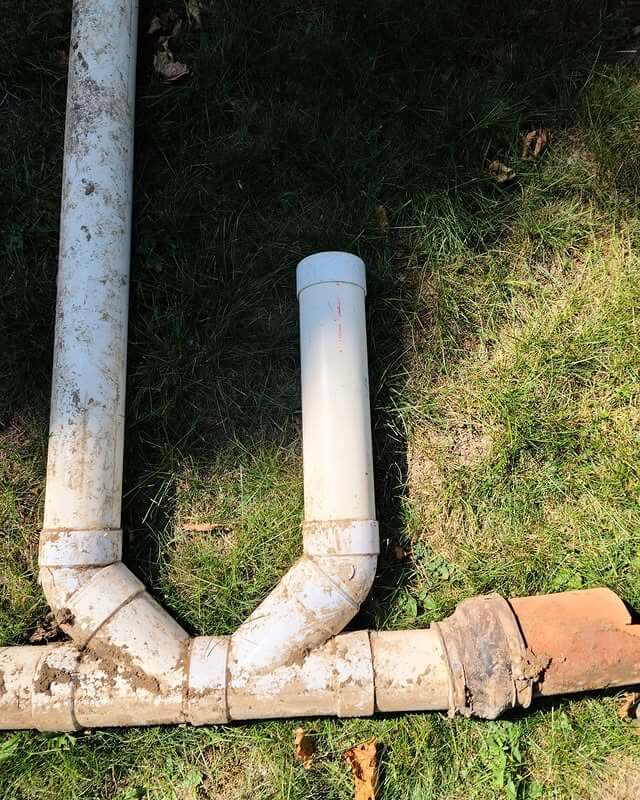
As the name suggests, trenchless sewer line repair is a method of sewer pipe replacement without having to dig an open trench. The old sewer line is not dug up and replaced. Instead, technicians utilize different methods to fix the broken pipe while still in the ground. This removes unsightly and deep excavations from running through your landscaping, driveway, patio, or yard.
Problems Trenchless Sewer Repair Can Fix
Trenchless sewer repair can remedy a number of problems above fixing cracked, disintegrating, or broken pipes. This method can:
- clear out tree roots that have found a way into your pipe;
- help correct any misaligned pipe joints;
- fill the pipe gaps that allow for leaks;
- take care of any missing sections or holes in pipes; and
- take the place of older pipes by relining with longer lasting materials.
Not only does trenchless sewer repair leave the surface of your property unscarred, it also can fix numerous problems.
Types of Trenchless Sewer Line Repair Methods
There are several methods available to trenchless sewer line repair. Some of the less commonly used methods include:
- Slip Lining – A new pipe is inserted into the damaged pipe with grout sandwiched in between.
- Spot or Point Repair – A short flexible tube is placed in the position of the damage, expanded, and then hardened to fix one specific section.
- Internal Pipe Coating / Spray Lining – Spray-in-place pipe (SIPP) material is squirted on the inside of the pipe to eliminate leaks and deterioration.
- Thermoformed Pipe – A special interior liner is forced into the damaged pipe and inflated with heat and pressure.
However, the two most common methods that have been adopted widely are the Cured-in-Place Pipe (CIPP) lining and pipe bursting methods. These two methods will be discussed in detail next.
How the Trenchless Sewer Repair Process Works
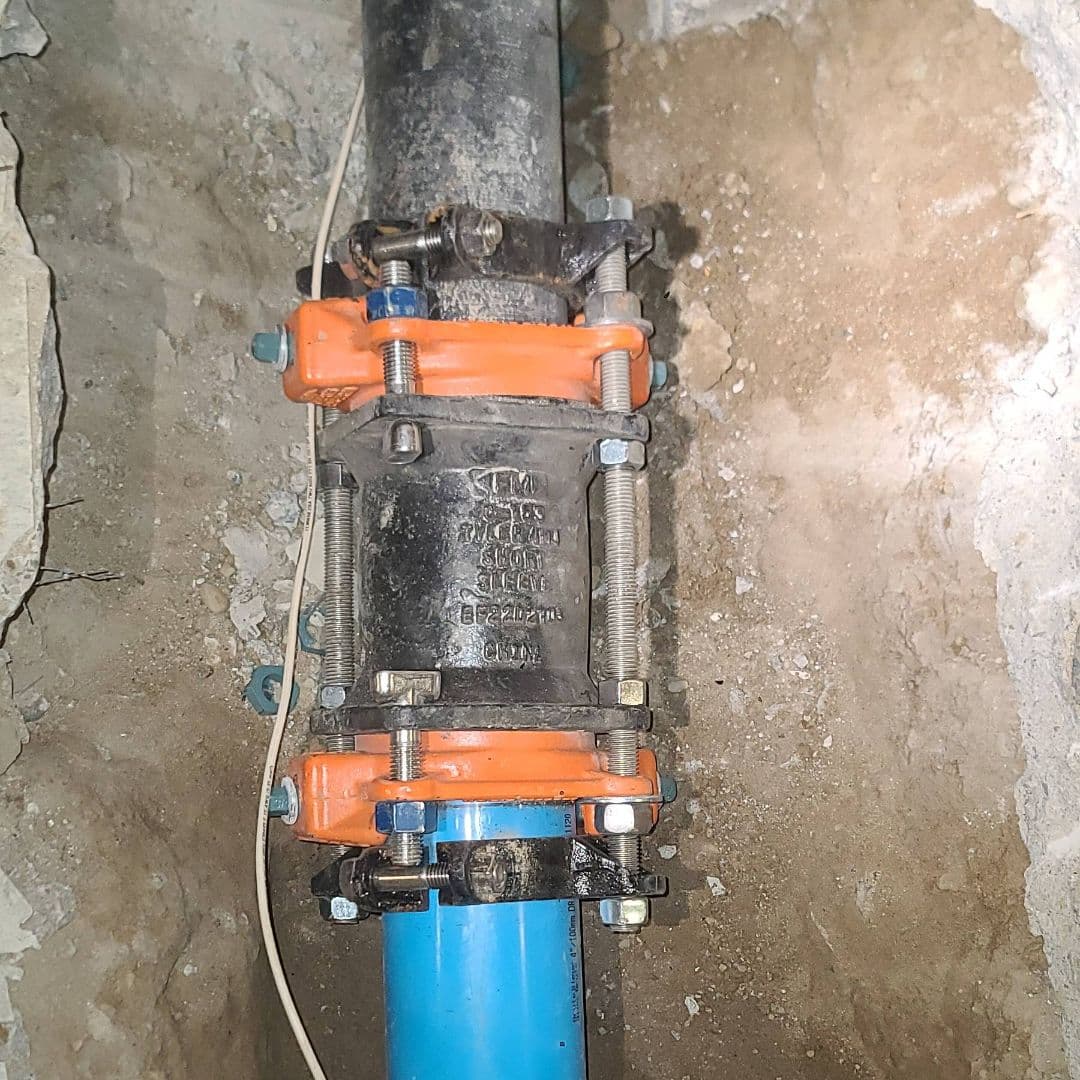
Regardless of the method chosen, all trenchless repairs follow the same initial steps in the process. First, a specific type of camera is inserted to inspect the pipe for suitability for the trenchless repair. Once that inspection is complete, the pipe is cleaned through hydro jetting and prepared for the trenchless method that has been selected.
Below, we will outline the two most commonly used trenchless repair processes: Cured-in-Place Pipe Lining and Pipe Bursting.
Cured-in-Place Pipe Lining
- A flexible tube is doused with resin or an epoxy and pulled or inserted into the damaged pipe.
- Pressure is pushed into the tube which forces it against the inside of the pipe.
- That tube is then hardened through a curing process specific to the type of material that permeates the tube.
- This curing produces a strong and jointless pipe that can last decades.
Pipe Bursting
- Minimal sized holes are dug at the beginning and ending of the line of pipe to be replaced.
- A specialized bursting head is attached to a cable along with a section of new pipe.
- The bursting head is dragged through the old section shattering the pipe and pushing the pieces into the surrounding ground.
- As the bursting head progresses, the new pipe is pulled along after replacing the old pipe.
Benefits of Trenchless Sewer Line Repair
There are several advantages to no-dig sewer repair methods over the traditional trench dug process. The most notable advantages are:
- Negligible damage done to landscaping, driveways, and surfaces.
- It can be used on many pipe materials and for many different problems.
- Repairs times are drastically reduced.
- It is eco-friendly because it doesn’t damage the immediate environment.
- The process costs less in the long-term.
- The results produce seamless, unjointed pipes that reduce the likelihood of future problems.
- The two most common methods use high-density polyethylene (HDPE) which can last for decades.
Trenchless Repair vs Traditional Dig-And-Replace
Although it may seem like an easy choice, creating a list of pros and cons between the two methods may make it all crystal clear.
Traditional Dig-and-Replace Trenched Sewer Line Repair
Pros
- Plumbers and inspectors directly see and inspect the pipe in question.
- For fully collapsed or very damaged pipes, this is the practical method.
- This method works if the sewer line needs to be redirected.
Cons
- Trenches dug are destructive to the landscape and take time to heal.
- Costs increase due to restoring the landscape to previous levels.
- Damaging underground utilities is a strong possibility.
- This method takes much longer to complete than trenchless methods.
- This can also be disruptive to daily life due to the noise and mess.
Trenchless Sewer Line Repair
Pros
- There is considerably less damage to property and the environment.
- The liner inserted in the pipe is extremely durable.
- Repairs are done in a fraction of the time of traditional methods.
- It is very cost effective in the long term.
Cons
- Pipes with serious damage are not eligible for this process.
- There is an initial higher cost due to the specialized equipment and technicians required.
- Lining the inside of a pipe very slightly reduces the diameter of the pipe.
- If the liners are not fitted correctly, there is a small possibility that they may fail.
How Long Trenchless Sewer Repair Takes
One key aspect of trenchless sewer repair making it more popular than the traditional dig-and-replace method is that it takes much less time. The typical trenchless sewer repair generally takes between 1 and 3 days from beginning to end with some jobs with smaller cracks or blockages completed in less than a day.
Traditional dig-and-replace methods take longer. Digging a trench the length of the pipe to be replaced, removing and replacing the pipe, and then filling the trench takes time. One week or more is common as the average length of time it takes for full line replacements.
When Trenchless Sewer Repair Is the Right Choice
Unless your sewer line has collapsed or has suffered serious damage, a trenchless, no-dig sewer line repair is the clear option. Less environmental damage, less disruption, and less time to complete make this long enduring and durable repair the obvious choice. Equally obvious is choosing AquaRescue, with over 15 years of Toronto plumbing experience, to complete those repairs. Contact us today for a free no-obligation estimate.