By Kate ·
Your drains are gurgling and slow to remove water. If your home is more than a few decades old, then it may be time to have drain cleaning for old pipes. One of the most effective ways to blast away the clogs slowing down waste water removal is to use hydro jetting.
In this guide, you’ll learn how hydro jetting works, when it’s safe for aging plumbing systems, and how professionals determine whether your pipes can handle the pressure.
What Is Hydro Jetting and How Does It Work
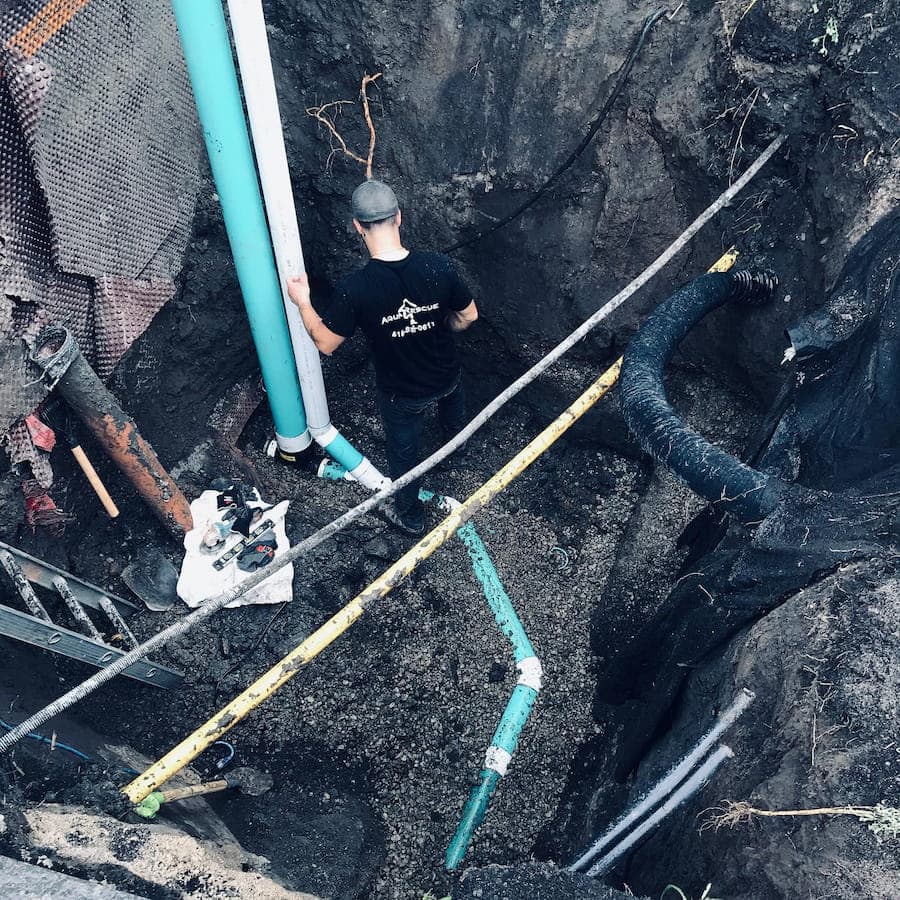
Hydro jetting is a method of cleaning drain and sewer lines to clear out obstructions. Water, pressurized up to 4,000 psi, is directed down the pipes in focused jets or streams of water. Any blockages, debris, grease, or other unwanted material like tree roots blocking the lines are scoured away by the jets of water. Typically, the nozzle at the end of the hydro jetting water line has several openings facing various orientations to allow water to be jetted outwards in several directions at once to maximize the effects.
Learn MoreWhy Is Hydro Jetting Used for Drain Cleaning
The are many reasons why hydro jetting is preferred as a drain and sewer line cleaning method.
- The pressurized water easily cuts through intrusive tree roots.
- The entire diameter of the pipe is completely cleaned.
- It can remove even the most stubborn blockages including mineral deposits.
- It is chemical free, safe, and environmentally friendly.
- It is a long term solution over snaking which may only remove part of an obstacle.
- It can help to prevent future clogs by effectively scouring the inner walls of the drain and sewer lines.
Types of Pipes Commonly Found in Older Homes
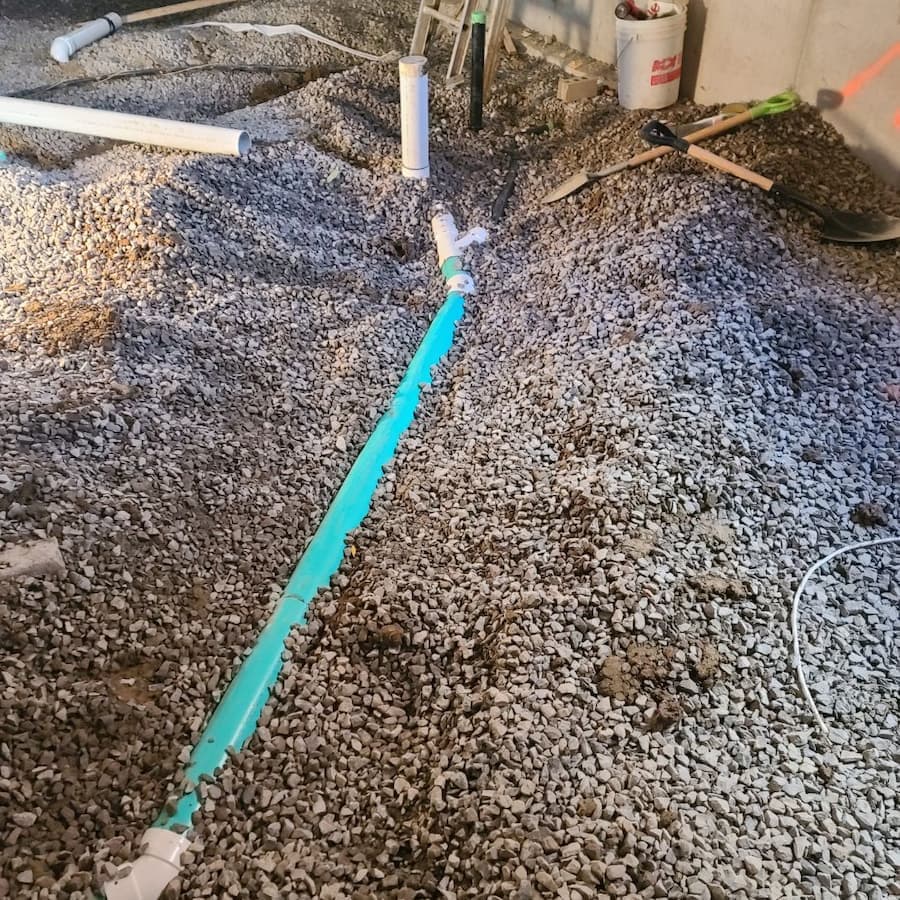
Before the 1930s, toxic lead most likely was used for the pipes. If your pipes haven’t been changed in your period home, they will need to be replaced. Pre-1960s homes could contain galvanized steel or cast iron pipes that are prone to rusting and other problems. Polybutylene, a flexible plastic pipe, extremely prone to cracking as it ages, was used for about 20 years starting in the 1970s. Orangeburg, a wood pulp and tar composite, was used up to the mid-1970s, but it was discontinued because of a tendency for it to deform over time. Past the 1960s and into the 1970s, copper and ABS/PVC plastic became the norm for water and drain lines in homes.
Is Hydro Jetting Safe for Old Pipes
There are hydro jetting risks, but the process can be safe and useful for old pipes under certain conditions. If they are deemed structurally sound by a pre-service camera inspection, then the jets of water won’t be too overwhelming. With confirmation from a professional plumber, materials such as galvanized steel or cast iron could be cleansed with hydro jetting. However, they would need to be proven to be free of cracks, corrosion, and also be structurally sound. In the case of doubt, professional technicians can adjust the water pressure to lower slightly to clean more gently.
Situations Where Hydro Jetting Is Not Recommended
Keep in mind that a professional plumber should always do a camera inspection before beginning hydro jetting. Some conditions that professional plumbing services will search for when inspecting the pipes include the following:
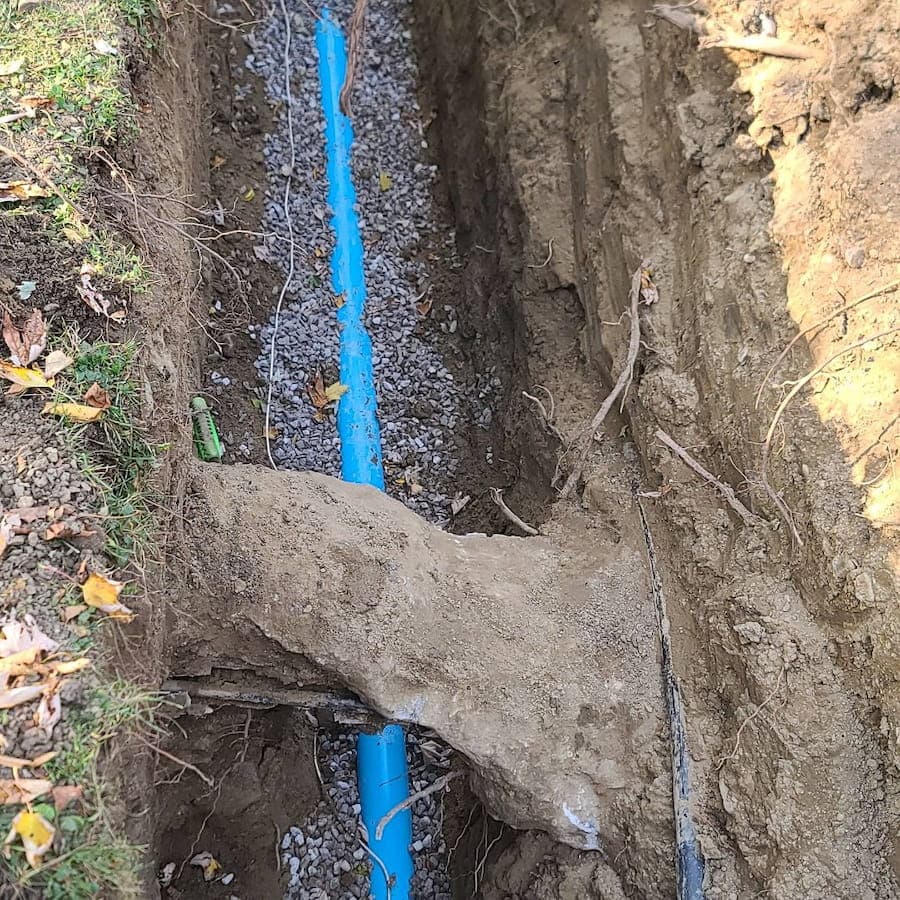
- Pipes that are damaged, corroded, or brittle should not be hydro jetted.
- Orangeburg, aged polybutylene, or clay pipes can be severely damaged by the high pressure.
- Cast iron pipes that have become severely corroded can have rust or corrosion break off creating a bigger problem.
- Larger tree roots, if not dealt with beforehand, can be forced down the pipe to create a more troublesome obstruction.
- If caustic drain cleaners had been used recently, then hydro jetting must wait due to the possibility of chemical blowback onto the hydro jet operator.
How Plumbers Inspect Pipes Before Hydro Jetting
Plumbers use a specialized drain camera that is waterproof and set on the end of a long, flexible but sturdy cable. This allows for a full, non-invasive, visual inspection of the pipes in question. LED lights are mounted with the camera to allow the operator to locate clogs, tree roots, and scaling. It also allows for the operator to determine the composition of the pipe material, suitability for the pipes to be hydro jetted, and to witness the effectiveness of the water jets in drain cleaning of old pipes.
Alternatives to Hydro Jetting for Aging Pipes
If you find that your drain and sewer lines are too old for the hydro jetting process, there are alternatives that may almost be equally effective.
- Snaking involves sending an auger at the end of a flexible cable to bore through the obstruction. The drawback to this process is the hole may not be as wide as the diameter of the pipe.
- Older pipes could benefit from the use of natural enzyme cleaners that can break up grease and sludge.
- Flex shaft cleaning uses a spinning chain that can break up blockages and debris more gently.
- Pipe descaling removes the hard mineral deposits, for example calcium and magnesium, from the inside of the pipes.
- Sewers can be relined on the inside with a trenchless sewer line repair method that relines the pipe from the inside. This is best utilized after the line has been thoroughly cleaned. After relining, the inside of the line is smooth and seamless making subsequent cleanings less often and simple.
When Hydro Jetting Is the Best Solution
Persistent clogs, grease build-up, slow drains, tree root intrusions: hydro jetting is highly effective, environmentally safe, and the best way to clean your drains and sewer lines of these problems.
While there are some risks to hydro jetting, AquaRescue, with more than 15 years of experience, will ensure that the process is safe for your drains and sewer line and leave them as clean as a whistle.